Leclerc leads Miami FP1 as Verstappen and Piastri follow, while Mercedes struggles with early reliability issues.
Introduction
The 2026 Formula 1 season roared back to life in the sunshine of Miami—and it didn’t take long for sparks to fly. In the only practice session of the Sprint weekend, Charles Leclerc reminded everyone why he’s a force to reckon with. But while Ferrari celebrated, rivals like Max Verstappen and Oscar Piastri kept the pressure on, and Mercedes… well, they had a session to forget.
So what really happened during this intense 90-minute showdown at the Miami International Autodrome? Let’s break it down.
1. Extended FP1: Why It Mattered
Unlike a typical race weekend, this FP1 session stretched to 90 minutes. Why? Because Sprint weekends allow just one practice session. Think of it like cramming for an exam—you’ve got one shot to get everything right.
Teams needed extra time to test upgrades, adapt to rule tweaks, and shake off the rust after a long break.
2. Early Track Action and Conditions
Miami’s heat and humidity were in full force. Drivers rolled out cautiously, mostly on hard tyres, treating the first laps like a reconnaissance mission.
Within minutes, the track was buzzing. Everyone wanted to maximize track time—except Fernando Alonso and Lance Stroll, who faced delays.
3. Ferrari’s Strong Comeback
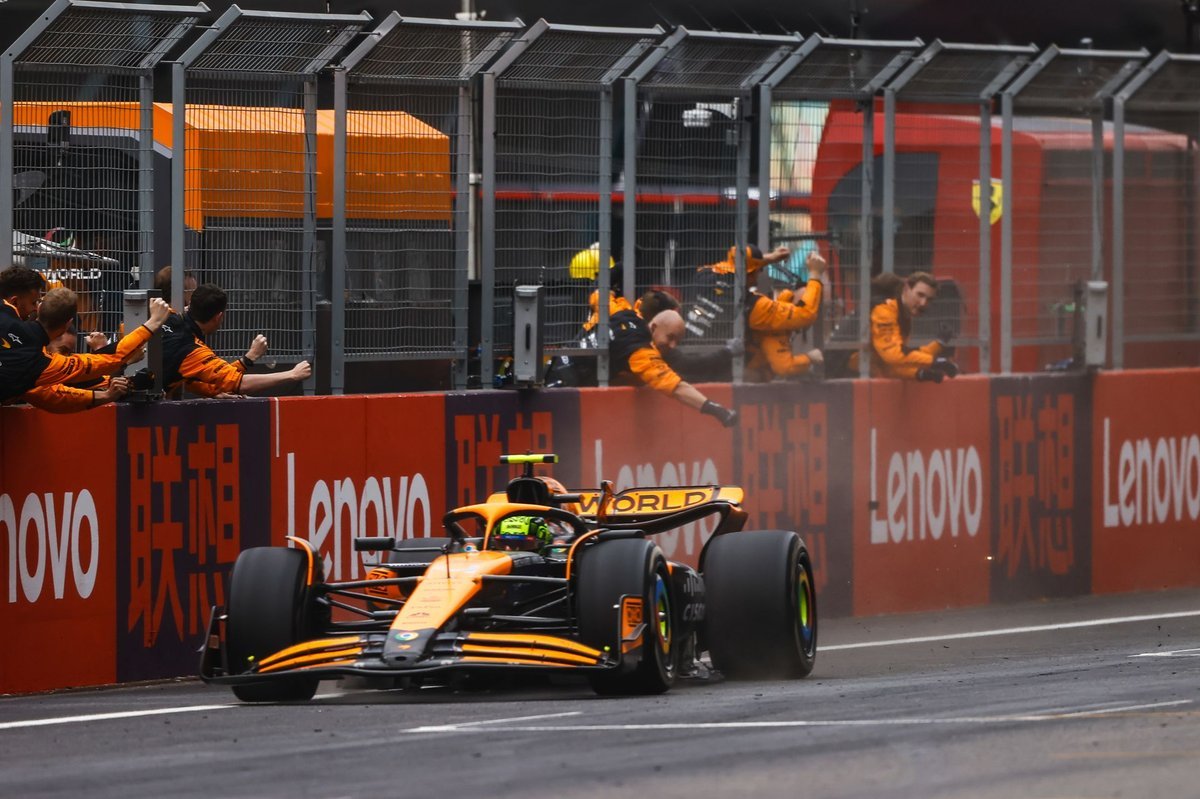
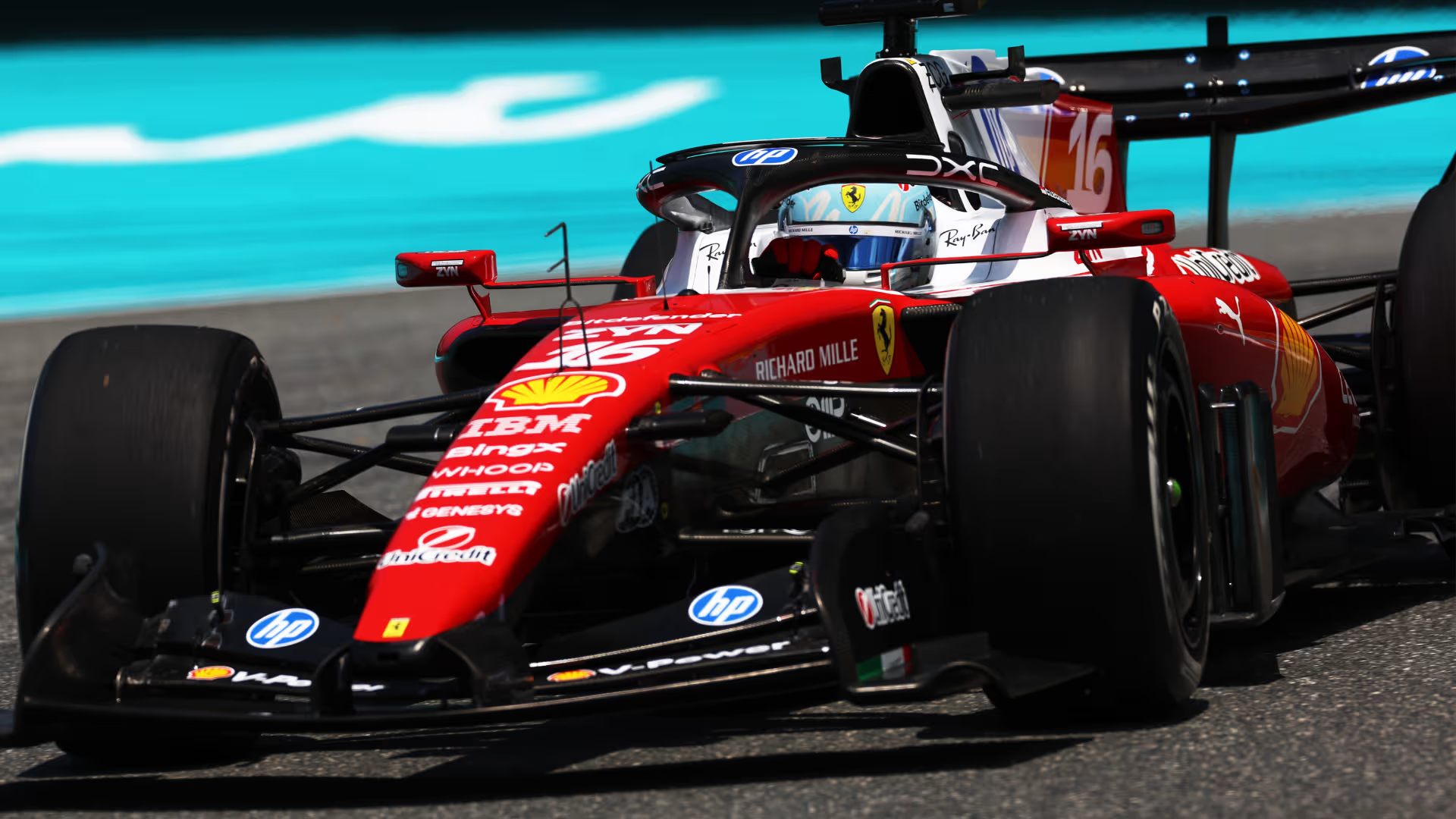
Ferrari wasted no time making a statement. Leclerc steadily improved his lap times, eventually clocking a blistering 1m 29.310s.
It wasn’t just speed—it was control, consistency, and confidence. Ferrari also introduced a revised rear wing design, signaling their aggressive push this season.
4. Red Bull’s Steady Pace
Verstappen, as always, stayed within striking distance. He didn’t top the charts, but he didn’t need to. Like a seasoned chess player, he was observing, calculating, and waiting.
Red Bull tested their own innovative upgrades, suggesting they’re far from complacent.
5. McLaren’s Silent Threat
Don’t overlook Piastri. Quietly but effectively, he slotted into third. No drama, no noise—just pure performance.
McLaren seems to be playing the long game, and if this session is anything to go by, they’re very much in contention.
6. Mercedes Faces Early Trouble
Here’s where things took a turn.
George Russell reported strange turbo noises—comparing it to a “steam train.” Meanwhile, Andrea Kimi Antonelli faced power unit issues later in the session.
For a team chasing consistency, this was far from ideal.
7. Aston Martin’s Delayed Start
Aston Martin struggled to even get started. A power issue kept both cars in the garage for over 20 minutes.
When they finally hit the track, they were already playing catch-up—like arriving late to a race that’s already halfway done.
8. Mid-Session Shakeups
At one point, Antonelli surprisingly topped the timesheets. It was a brief moment, but it showed how unpredictable FP1 can be.
Leclerc soon reclaimed control, proving that consistency beats momentary brilliance.
9. The Soft Tyre Rush
The final 20 minutes saw a flurry of action as teams switched to soft tyres.
This is where things get serious—soft tyres reveal true pace. Drivers pushed harder, lap times dropped, and the leaderboard shuffled rapidly.
10. Leclerc’s Final Flying Lap
Then came the defining moment.
Leclerc’s final lap was near-perfect. Smooth corners, aggressive straights—it was like watching an artist paint a masterpiece.
He finished nearly three-tenths ahead of Verstappen. That’s a significant margin in Formula 1.
11. Key Driver Performances
- Leclerc: Dominant and composed
- Verstappen: Calm and calculated
- Piastri: Quietly impressive
- Lewis Hamilton: Competitive despite traffic issues
Lewis Hamilton showed strong pace but was hindered late in the session.
12. Midfield Battle Insights
The midfield was tightly packed. Drivers like Pierre Gasly and Carlos Sainz fought hard for positions.
Even minor mistakes made a big difference here—it’s like a crowded highway where one wrong move slows everyone down.
13. Technical Developments and Upgrades
Both Ferrari and Red Bull introduced new aerodynamic concepts. These aren’t just tweaks—they’re strategic moves in a long-term battle.
Interestingly, Aston Martin was the only team without upgrades, which might explain their struggles.
14. What This Means for the Sprint Weekend
With no more practice sessions, teams must rely on this data moving forward.
That puts enormous pressure on engineers and drivers. One wrong setup decision could cost valuable points.
15. Final Thoughts
FP1 in Miami wasn’t just a practice—it was a statement.
Leclerc leads the charge, Verstappen lurks close behind, and Piastri proves he’s no longer an outsider. Meanwhile, Mercedes has serious questions to answer.
If this session is a preview, we’re in for a thrilling weekend.
Conclusion
The Miami FP1 session gave fans everything—speed, drama, and uncertainty. While Ferrari celebrated a strong start, the real battle is just beginning. With limited preparation time and high stakes, every lap from here on matters more than ever.
FAQs
1. Why was FP1 longer than usual?
Because it’s a Sprint weekend, teams only get one practice session, so it was extended to 90 minutes.
2. Who was the fastest in Miami FP1?
Charles Leclerc set the fastest time with a 1m 29.310s lap.
3. What issues did Mercedes face?
Mercedes struggled with turbo noise and power unit problems affecting both Russell and Antonelli.
4. Did any team bring major upgrades?
Yes, Ferrari and Red Bull introduced aerodynamic updates, while Aston Martin did not.
5. What’s next after FP1?
Teams move directly into qualifying sessions with no additional practice time due to the Sprint format.