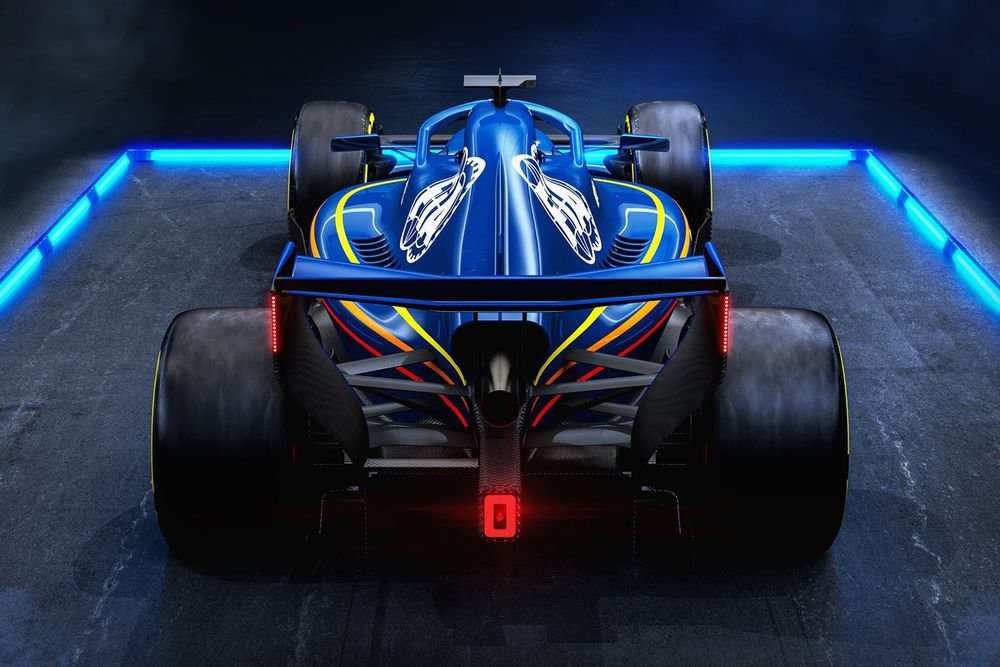
Formula 1’s push for clarity and fan-friendly communication is taking a major step forward as the FIA prepares to overhaul several key technical terms ahead of the sport’s sweeping 2026 regulation changes. Among the most notable updates is the renaming of the Manual Override Mode (MOM), a feature that had already sparked debate across the paddock due to its complexity and potential for misunderstanding.
The FIA’s single-seater director, Nikolas Tombazis, revealed that the governing body is currently conducting a full terminology review, aiming to simplify the language used in the regulations and ensure consistent messaging across teams, broadcasters, and race control.
Speaking about the upcoming changes, Tombazis stressed that while the technical innovations of 2026 promise to redefine the future of Formula 1, the way those systems are communicated must not alienate fans—especially as the sport continues to grow rapidly in global markets.
“We are revising some of the terminology of this because we want to make it clear that we want to make it simple for the fans to understand what’s happening,” he said, highlighting the FIA’s commitment to accessibility without compromising on technical accuracy.
The 2026 ruleset marks one of the most revolutionary shifts in the hybrid era: lighter cars, active aerodynamics, sustainable fuels, and new power unit dynamics that aim to boost racing quality while aligning the sport with global automotive trends. But with innovation often comes complication, and Tombazis emphasized that language must not become another obstacle.
“We want to have a unified terminology used by the teams when they speak to the drivers on the radio,” he continued. “But also by the commentators on TV, and the same terminology in the regulations. So we are doing an exercise now to make sure we create simple terminology.”
This move comes at a crucial time for the sport. F1’s fanbase has never been more diverse, with new viewers arriving from Drive to Survive, global expansion, and social media buzz. Yet long-time supporters have frequently voiced concerns that the sport is in danger of drowning fans in technical jargon—particularly as hybrid strategies and energy management become increasingly influential in race outcomes.
MOM, for instance, was set to allow drivers temporary boosts in specific racing scenarios, but its name and mechanics drew criticism for sounding overly complicated. While the FIA has not yet revealed the new name, insiders believe it will align more closely with terms spectators can immediately grasp—mirroring how DRS (Drag Reduction System) quickly became standard vocabulary among fans.
The idea is not simply to re-label systems, but to build a complete glossary that resonates with the sport’s narrative identity. Fans should be able to listen to team radio or a live broadcast and instantly comprehend what’s being discussed, even during the heat of battle.
For commentators and journalists, the goal is to eliminate ambiguity. The FIA wants a unified linguistic approach so that fans in Mexico City hear the same terminology as those in Melbourne, Austin, or Silverstone—no matter the broadcaster.
Teams, too, have welcomed the initiative. Engineers have long communicated with drivers using their own internal codes, often leading to confusion for viewers when certain commands or abbreviations appear on team radio. While internal shorthand is unlikely to disappear entirely, the FIA expects the new unified terminology to bring teams’ public communication closer together.
Some insiders believe this shift might even help drivers themselves, particularly rookies entering the sport in 2026, as simplified terminology creates fewer barriers during radio exchanges in high-pressure moments.
The FIA is expected to release the finalized glossary ahead of pre-season testing for the 2026 season, giving teams, media personnel, and stakeholders adequate time to adapt. If successful, this shift could set a precedent for future regulation changes—marking an era where Formula 1 embraces transparency without sacrificing its technological identity.
More importantly, it signals a sport learning from its own evolution. As F1 grows, it recognizes that retaining fans requires not only thrilling racing and bold engineering, but also a communication model that keeps the story clear, compelling, and inclusive.
With the 2026 overhaul already one of the most anticipated rule changes in decades, the FIA’s focus on clarity might well become a vital ingredient in shaping the next generation of F1 storytelling—on the track, on television, and across every digital platform where fans connect with the sport.