Lando Norris tops FP1 in Abu Dhabi ahead of Verstappen and Leclerc in a rookie-filled session. Full analysis of ” inside.
Introduction
If Free Practice 1 at the Abu Dhabi Grand Prix was a movie trailer, it promised a blockbuster weekend. Lando Norris came out swinging, topping the timesheets and edging out his title rival Max Verstappen by the tiniest of margins. Add in a crowd of young rookies, a few mechanical scares, and some friendly sibling teasing in Ferrari red—and you’ve got a practice session that felt anything but routine. Let’s break it all down in a way that’s simple, exciting, and easy to follow.
A Flying Start for Lando Norris
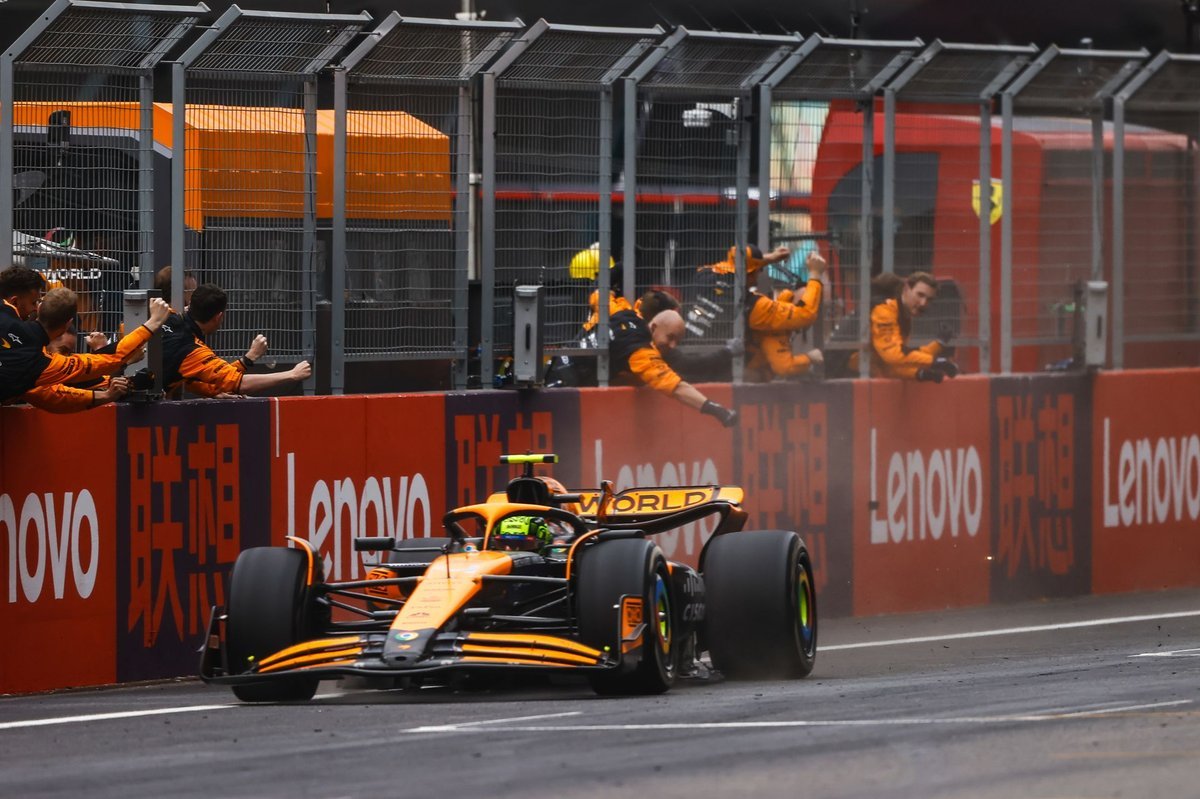
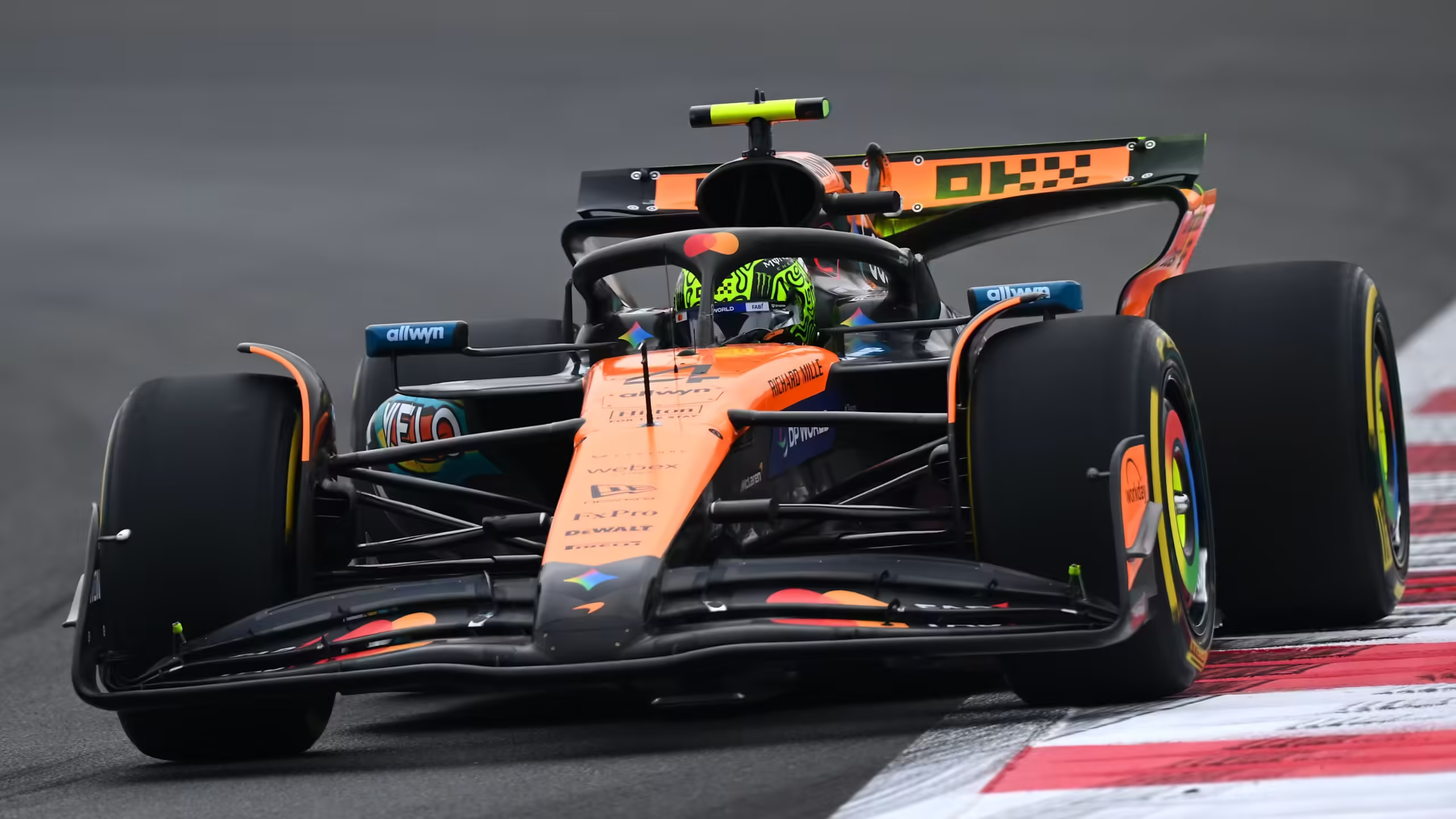
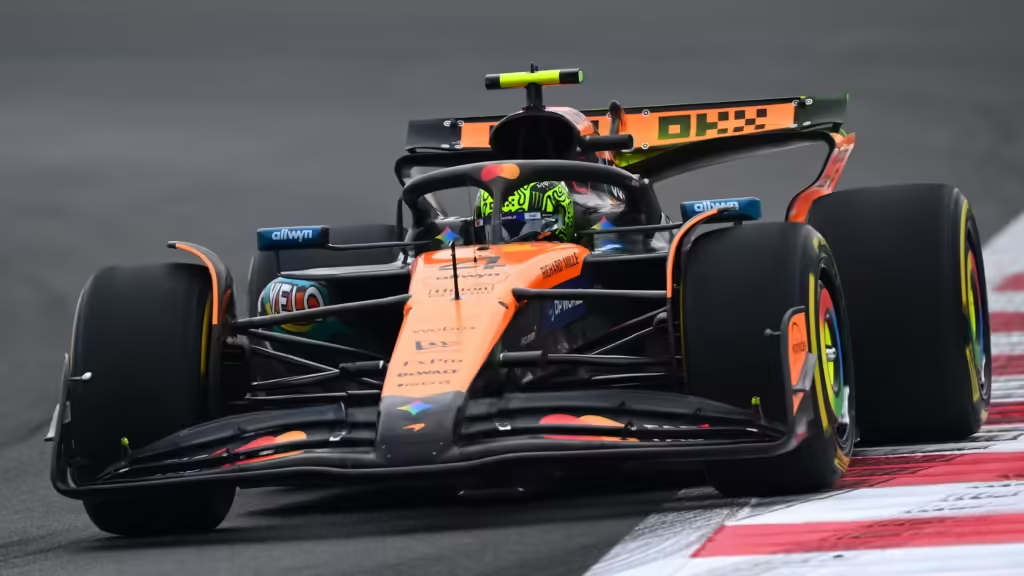
Lando Norris could not have asked for a better start to the most important race weekend of the season. The McLaren driver went fastest in FP1 with a time of 1m 24.485s, showing calm confidence under pressure. It felt like watching a sprinter explode off the blocks—sharp, clean, and full of intent.
What made it even more dramatic? He beat Max Verstappen by just 0.008 seconds. That’s less than the blink of an eye. If you’re a fan, you couldn’t ask for a tighter showdown.
Verstappen Right on Norris’ Tail
Max Verstappen wasn’t far behind, and honestly, would we expect anything else? The Red Bull driver briefly held the fastest time on soft tyres before Norris snatched it back. Verstappen later reported that something on his car felt “broken everywhere,” which sounds worrying—but he still stayed right near the top.
It’s like running a marathon with a slight limp and still staying in the top three. That’s Verstappen for you.
Charles Leclerc Keeps Ferrari in the Fight
Charles Leclerc finished the session in third place, keeping Ferrari firmly in the mix. He even had a small spin at Turn 5, but it didn’t hurt his overall pace. Meanwhile, his brother Arthur Leclerc, driving the second Ferrari in FP1, finished much lower down the order.
The funny moment? Arthur joking that Charles was “doing burnouts” for the fans after the spin. Even in pressure-packed weekends, F1 still finds room for light moments.
Rookies Take Over the Spotlight
FP1 in Abu Dhabi felt like a rookie parade. A massive nine young drivers took part in the opening session. This gave fans a glimpse into the future of Formula 1—and what a future it looks like.
Some of the standout rookie names included:
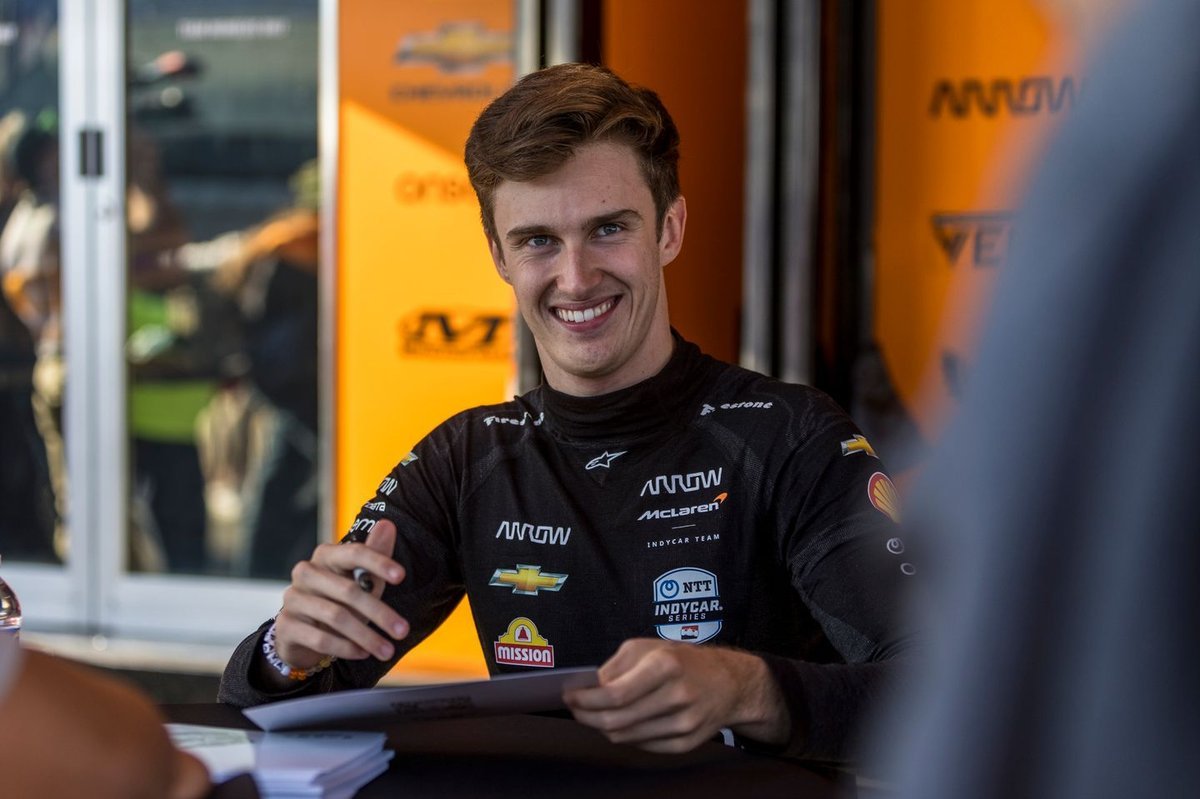
- Pato O’Ward at McLaren
- Arvid Lindblad at Red Bull
- Paul Aron at Alpine
- Isack Hadjar for Racing Bulls
For fans, it was like watching the next generation audition for the biggest stage in motorsport.
Why Oscar Piastri Sat Out FP1
One big surprise was seeing championship contender Oscar Piastri on the sidelines. McLaren handed his car to Pato O’Ward, giving the Mexican driver a golden opportunity.
For McLaren, it was a strategic call—give Norris a clear run for setup work while also developing young talent. For fans, it added extra curiosity: how would O’Ward handle the pressure?
Early Traffic and First Frustrations
As soon as lights went green at 1:30 PM local time, all 20 cars flooded the track. That caused early traffic issues, especially for Isack Hadjar, who waved his hand in frustration after catching the slower Williams of Luke Browning.
Browning also had radio problems early on and had to pit for fixes. It was one of those classic FP1 situations—busy, messy, and slightly chaotic.
Carlos Sainz and the First Benchmark Time
Before Norris and Verstappen took control, it was Carlos Sainz who briefly topped the session. He set a 1m 25.712s lap after his strong podium finish in Qatar.
For a few minutes, it looked like Williams might have something special. But once soft tyres came into play, the order quickly reshuffled.
Haas Drama: Bearman’s Power Trouble
One of the more worrying moments came from Ollie Bearman in the Haas. He reported a loss of power, followed by news of a leak. Although he made it back to the pits and tried again, the issue returned.
Eventually, Haas retired the car for the rest of the session due to a sensor-related problem. Not the kind of Friday any rookie wants.
Mercedes Strong with Russell and Antonelli
Mercedes quietly had one of the most solid FP1 showings. George Russell jumped to second at one stage and eventually finished sixth. Meanwhile, young talent Kimi Antonelli impressed with a fourth-place finish.
With Mercedes fighting for second place in the Teams’ Championship, this was exactly the kind of start they needed.
Verstappen’s Car Concern
Despite being near the top, Verstappen’s message over the radio raised eyebrows. He suggested that something on the car might be broken—and not just in one place.
Even so, his pace didn’t drop. It’s a classic example of how top drivers adapt on the fly, even when things aren’t perfect underneath them.
A Spin and a Smile for the Leclerc Brothers
Charles Leclerc’s spin at Turn 5 could have been a heart-stopping moment, but he saved it without damage. His brother Arthur turned it into a light joke over the radio, keeping the mood relaxed.
Moments like these remind us that behind all the helmets and data screens, these drivers are still human.
Final Top 10 Classification Explained
Here’s how the top 10 finished in FP1:
- Lando Norris – McLaren
- Max Verstappen – Red Bull
- Charles Leclerc – Ferrari
- Kimi Antonelli – Mercedes
- Nico Hulkenberg – Kick Sauber
- George Russell – Mercedes
- Gabriel Bortoleto – Kick Sauber
- Ollie Bearman – Haas
- Carlos Sainz – Williams
- Franco Colapinto – Alpine
It was a healthy mix of experience and youth—exactly what makes F1 so exciting right now.
What FP1 Tells Us About the Weekend Ahead
FP1 doesn’t decide the race—but it does set the tone. Norris looks confident. Verstappen looks fast despite concerns. Ferrari looks competitive. Mercedes looks steady. And the rookies? They look hungry.
Think of FP1 like the first chapter of a novel—you don’t know the ending yet, but the story already feels intense.
Why FP2 Will Be Even More Important
FP2, scheduled for 5:00 PM local time, will offer more realistic evening conditions similar to qualifying and the race. Teams will shift focus from testing parts to dialing in race setups.
If FP1 was the warm-up act, FP2 is where the real battle begins.
Conclusion
FP1 at the Abu Dhabi Grand Prix delivered excitement from the very first lap. Lando Norris set the early pace, Max Verstappen stayed dangerously close, and Charles Leclerc kept Ferrari in the hunt. With rookies flooding the grid, mechanical worries at Haas, and Mercedes showing solid form, this weekend already feels like it’s building toward something special. One thing is certain—we’re in for a thrilling finale.
FAQs
1. Who was the fastest driver in FP1 at the Abu Dhabi GP?
Lando Norris was the fastest driver, setting a time of 1m 24.485s.
2. How close was Max Verstappen to Lando Norris in FP1?
Verstappen was just 0.008 seconds slower than Norris, making it a razor-close fight.
3. Why did Oscar Piastri not take part in FP1?
Piastri sat out because McLaren gave his car to reserve driver Pato O’Ward for rookie running.
4. What issue did Ollie Bearman face during FP1?
Bearman suffered a power-related issue caused by a sensor fault, forcing Haas to retire the car.
5. When does FP2 take place at the Abu Dhabi Grand Prix?
FP2 is scheduled to begin at 5:00 PM local time and will offer more race-relevant conditions.