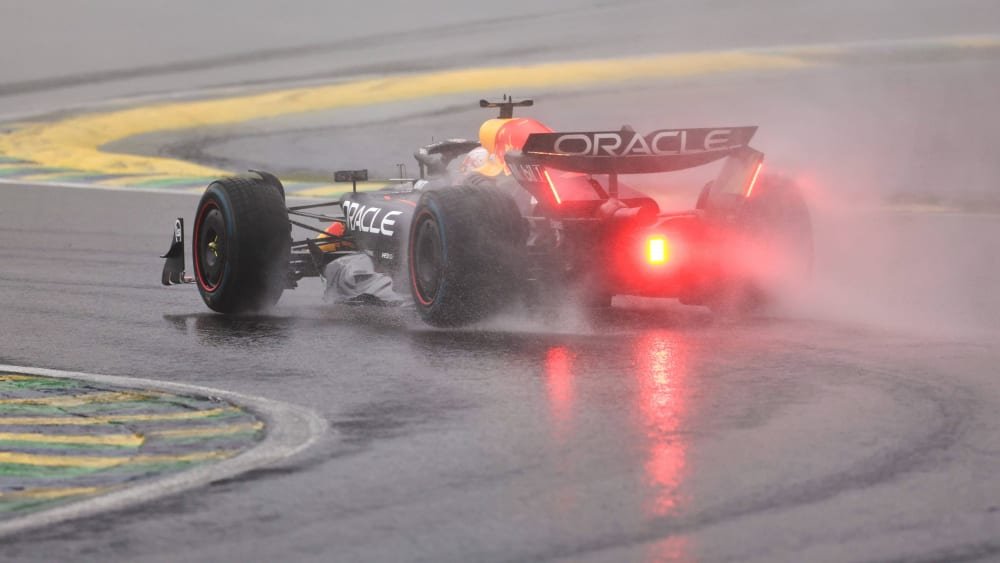
FIA issues rare level 4 rain warning for the São Paulo Grand Prix ” as heavy showers threaten the Sprint and shake up the race weekend.
When Formula 1 heads to São Paulo, fans expect drama, passion, and unpredictable racing. But this year, nature has decided to raise the stakes even higher. The FIA has issued a rare level 4 rain weather warning for Saturday—one of the most severe alerts in their system. It signals that the weekend could turn into a repeat of last season’s chaos, when torrential rain forced qualifying to be pushed to Sunday morning. With an 80% chance of extremely heavy rain hitting the circuit, teams and drivers are bracing for a challenging and potentially historic Sprint day.
1. Saturday Weather Threat Explained
The FIA has raised alarms due to an intense storm system expected to sweep across the Interlagos circuit. Forecasters are predicting extremely heavy showers along with possible thunderstorms early Saturday morning. If you’ve ever tried to drive on a flooded street, imagine doing it at over 250 km/h. That’s the kind of challenge the drivers may face.
2. What a Level 4 Warning Actually Means
A level 4 warning is the highest level used by the FIA to categorize rain intensity. In simple terms, it means rainfall heavy enough to significantly disrupt visibility, track grip, and safety. It’s not your average drizzle—this is the kind of rain that turns the track into a mirror-like surface.
3. Why São Paulo Weather Is Infamously Unpredictable
São Paulo is known for weather that can change faster than a pit stop. One moment it’s sunny, and the next, clouds take over like a curtain closing on a stage play. The city’s hilly geography and tropical climate make sudden storms common, especially in November.
4. A Look Back at Last Year’s Rain Chaos
Fans still remember last season when qualifying had to be shifted to Sunday morning after an unexpected downpour flooded the track. Marshals battled rivers of water running through the circuit, and drivers waited anxiously for conditions to improve.
5. The Sprint Race: Why This Session Is Most at Risk
Unlike qualifying or the main race, the Sprint is scheduled earlier in the day. With the heaviest rain expected until 09:00 local time, the schedule puts the Sprint right in the danger zone. It’s like trying to host a picnic while a storm warning is flashing.
6. FIA’s Official Forecast and Timeline
According to the FIA, there is a “high chance” of level 3/4 rain, with an 80% probability of showers affecting the track before the Sprint. The key window to watch is between 06:00 and 09:00, when thunderclouds are expected to hover over Interlagos.
7. Teams Preparing for the Unknown
Every team will be revising run plans, checking waterproofing measures, and preparing spare parts. Mechanics know how rough wet sessions can be—spray reduces visibility, cars slide more easily, and the smallest mistake can lead to a crash.
8. How Heavy Rain Affects Driver Visibility
When water sprays off the rear of an F1 car, the mist can completely blind the driver behind. Onboard cameras often look like someone smeared petroleum jelly on the lens. At level 4 intensity, visibility can drop dangerously low.
9. The Role of Intermediates and Full Wets
Teams will likely rely on intermediate tyres for mild wet conditions or full wet tyres if the rain becomes overwhelming. Full wets are designed to throw out gallons of water per second, but even they struggle during extreme rainfall.
10. Safety Concerns and Red Flag Possibilities
The FIA will monitor track conditions closely. If puddles form or water starts flowing across the asphalt, expect red flags, delays, or even postponements. Safety always comes first.
11. Impact on Championship Battles
Rain can turn the standings upside down. Drivers who usually dominate in dry conditions might struggle, while wet-weather specialists get their chance to shine. A single mistake in the Sprint could dramatically affect the weekend’s points haul.
12. Fans at the Circuit: What to Expect
Spectators should come prepared with ponchos, waterproof shoes, and patience. Weather delays are likely, but São Paulo fans are known for their passion—they’ll sing and cheer through almost anything.
13. How Weather Could Shake Up Strategy
Wet conditions force teams to think on their feet. Pit stops become unpredictable. Fuel management shifts. Strategies that seemed perfect on Friday might fall apart on Saturday.
14. Will We See Delays or a Rescheduled Session?
If conditions mimic last year’s washout, the Sprint could be delayed, shortened, or moved. The FIA will base decisions on real-time weather patterns and safety assessments.
15. What This Means for the Rest of the Weekend
Even if the weather clears after the Sprint, the impact could linger. Damaged cars, lost practice time, and unsettled team plans may influence the Grand Prix on Sunday.
Conclusion
The rare level 4 rain warning has turned the São Paulo Grand Prix into one of the most unpredictable weekends in recent memory. With torrential rain expected to hit just hours before the Sprint, teams, drivers, and fans must prepare for delays, surprises, and possibly game-changing results. One thing is certain—Mother Nature is ready to take the spotlight, and Formula 1 must adapt quickly.
FAQs
1. What is a level 4 rain warning in Formula 1?
A level 4 warning signals extremely heavy rainfall that can significantly affect visibility, grip, and safety on track.
2. Why is the Sprint race most at risk this weekend?
Because the heaviest rain is expected early Saturday morning, just before the Sprint session is scheduled to begin.
3. Can the Sprint be postponed if the weather gets too bad?
Yes, the FIA can delay, shorten, or reschedule the session depending on safety conditions.
4. How does heavy rain affect Formula 1 cars?
It reduces tyre grip, increases aquaplaning risk, and severely impacts visibility due to water spray.
5. Has São Paulo experienced similar weather interruptions before?
Yes, last season qualifying was moved to Sunday due to torrential rain, making weather delays a common threat at Interlagos.